Philadelphia Real Estate in 2026: A Guide for Ambitious Agents
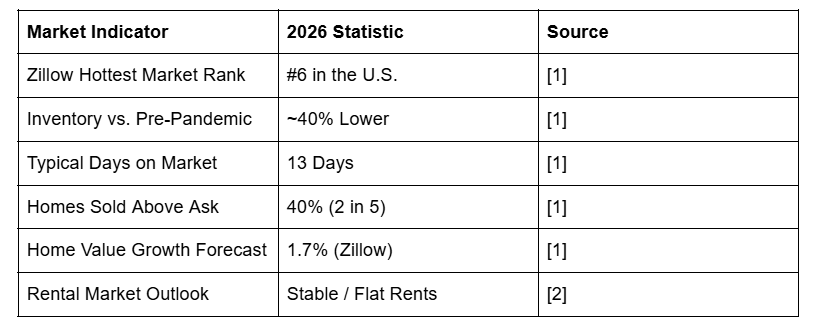
As the nation turns its eyes to Philadelphia for the monumental 250th birthday celebration, the FIFA World Cup, and the MLB All-Star Game, the city's real estate market is generating its own significant buzz. For new and aspiring real estate agents in Pennsylvania, 2026 presents a landscape of immense opportunity intertwined with profound structural shifts. Zillow has crowned the Philadelphia metropolitan area as one of the top 10 hottest housing markets in the country, citing strong market fundamentals and sustained buyer demand [1].
However, this high-energy market is not without its complexities. Agents are navigating the crosscurrents of a persistent inventory shortage, the lingering effects of pandemic-era interest rates, and the most significant changes to commission structures in a generation. Success in this environment requires more than just a license; it demands a commitment to deep market knowledge, technological fluency, and a refined ability to articulate one's value. This guide will break down the essential trends, challenges, and strategies that will define a successful real estate career in Philadelphia in 2026.
The 2026 Market Landscape: A Tale of Two Markets
The Philadelphia real estate story for 2026 is one of contrasts. On one hand, it is a fiercely competitive seller's market. On the other, it is a market characterized by a sense of being "stuck," as one leading economist describes it.
A Top-Tier National Market
Philadelphia's ranking as the sixth-hottest housing market is built on a foundation of high demand and limited supply. Housing inventory remains approximately 40% below pre-pandemic levels, creating intense competition among buyers [1]. This imbalance means that well-priced homes are selling at a blistering pace, with the typical home going under contract in just 13 days in the year ending October 2025. For sellers, this is a favorable climate; from September 2024 to September 2025, two out of every five homes sold for more than the asking price [1]. For a new agent, this environment necessitates guiding buyer clients through swift, decisive actions and crafting compelling, competitive offers.
The Great Housing Logjam
Beneath the surface of this fast-paced market, a different dynamic is at play. Mark Zandi, chief economist at Moody’s Analytics, describes the situation as one where "everyone is kind of stuck" [2]. Many current homeowners refinanced or purchased their homes during the pandemic, securing mortgage rates far below today's levels. This "lock-in effect" makes them hesitant to sell and move, as doing so would mean taking on a significantly higher monthly payment. This reluctance to list properties further constricts the already tight inventory, particularly for middle-income homebuyers.
This logjam has contributed to a notable trend in the luxury sector. With fewer moderately priced homes available, developers and sellers at the high end have found a receptive audience. Over the last five years, the proportion of homes in the region selling for $1 million or more has increased fivefold compared to 2019, creating what some analysts term a "mini bubble" that could further pressure affordability for first-time buyers [2].
The New Rules of Engagement: Navigating Commission Changes
Perhaps the most impactful shift for agents in 2026 stems from the landmark 2024 National Association of REALTORS® (NAR) settlement. These changes have fundamentally altered how buyer agents are compensated, placing an unprecedented emphasis on transparency and direct communication of value.
In the past, a buyer agent's commission was typically offered by the listing broker through the Multiple Listing Service (MLS) and paid from the seller's proceeds. The new rules, taking full effect in 2026, prohibit this practice. Instead, agents must now formalize their professional relationships with buyers through written agreementsbefore touring any homes. These agreements must clearly outline the services to be provided and the exact structure of the agent's compensation [3].
For new agents, this is a call to action. Your success is no longer just about finding the right house; it's about proving your worth. This requires developing a clear value proposition and being able to articulate it confidently. Consider creating a 'service menu' that details the expertise you bring to the table, including:
- In-depth Market and Neighborhood Analysis: Providing data-driven insights beyond what clients can find on public portals.
- Strategic Offer Formulation: Crafting offers that stand out in multiple-bid scenarios.
- Expert Negotiation and Closing Coordination: Guiding clients through the complex and often emotional process of negotiation, inspection, and closing.
- Access to a Vetted Professional Network: Connecting clients with trusted lenders, inspectors, contractors, and attorneys.
This shift also opens the door to more flexible compensation models, such as flat fees, retainers, or performance-based bonuses, allowing agents to differentiate themselves and cater to a wider range of clients [3].
The Rise of the Tech-Savvy Agent
Technology is no longer an accessory in real estate; it is a core component of the business. In 2026, agents who leverage technology effectively will hold a significant competitive advantage. Several key trends are reshaping the industry:
Artificial Intelligence (AI): AI-powered tools are becoming indispensable for analyzing market trends, predicting price fluctuations, and even identifying potential investment properties with remarkable accuracy. For client-facing tasks, AI chatbots can provide instant responses to initial inquiries, ensuring no lead goes cold [4].- Virtual and Augmented Reality (VR/AR): Immersive virtual tours are now a standard expectation for buyers, especially those relocating from other areas. AR applications that allow clients to visualize renovations or digitally stage an empty room are powerful tools that enhance buyer confidence and save time [4].
- Big Data and Predictive Analytics: The most successful agents are becoming data scientists in their own right. By aggregating and analyzing data on demographics, consumer behavior, and local economic indicators, agents can anticipate market shifts, optimize pricing strategies, and provide clients with a truly informed perspective [4].
Actionable Strategies for Success in 2026
For the ambitious agent entering the Philadelphia market, the path to success in 2026 is clear. It requires a multi-faceted approach that combines traditional relationship-building with modern business acumen.
Lead with Education: In this new era of transparency, your greatest asset is your expertise. Take the time to educate clients on the market dynamics and the intricacies of the new commission structures. A client who understands your value is a client who will trust you.
Embrace Neighborhood Specialization: With gentrification and transformation reshaping neighborhoods like Fishtown, Kensington, and Point Breeze, developing a deep, nuanced understanding of a specific area can set you apart. Become the go-to expert for a particular community.
Cultivate a Digital Presence that Screams 'Expert': Your online presence is your digital storefront. Use your website and social media channels to share valuable market insights, explain the homebuying process, and showcase your successes. Content that educates and informs will attract serious clients.
Master the Buyer Agreement: The written buyer representation agreement is the new cornerstone of your client relationships. Get comfortable and confident in explaining this document, framing it not as a mere formality, but as a professional commitment that protects both parties and sets clear expectations.
Build Your Professional Alliance: The complexity of modern transactions makes collaboration essential. Forge strong relationships with lenders who can navigate a challenging mortgage environment, attorneys who understand local regulations, and contractors who can provide reliable estimates for repairs.
Philadelphia in 2026 is a city in the spotlight, and its real estate market is no exception. For agents who are prepared to adapt, learn, and demonstrate their value in clear and compelling ways, the opportunities are boundless. By embracing the challenges and leveraging the tools of a new era, you can build a thriving and resilient career in one of the nation's most dynamic housing markets.
References
[1] Zillow says the Philly region will be one of the 10 hottest housing markets of 2026 [2] Philly’s housing market pains are expected to continue in 2026, economists say [3] Real Estate Commission Changes 2026: What New Agents Need to Know [4] Real Estate Technology Trends Redefining the Industry in 2026