Do I have to sign a buyer agreement before touring a house in Pennsylvania? Yes.
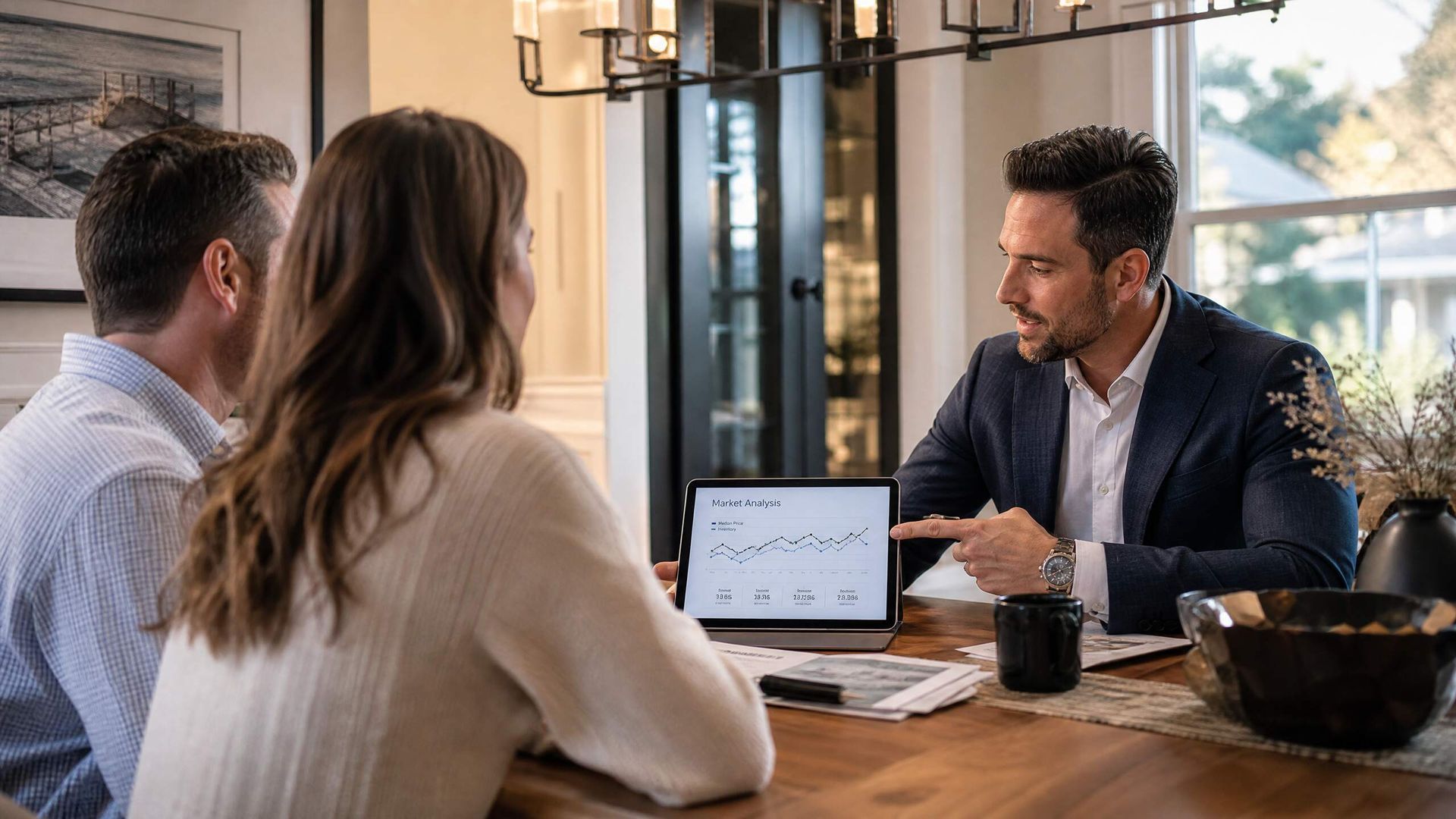
In our previous guide, "Owning Your Neighborhood," we discussed the top-of-funnel strategies required to build a hyperlocal brand. We covered how to use video marketing, community pages, and geographic farming to attract the attention of local homeowners. However, generating a lead is only the first step. The ultimate test of your real estate business is what happens when a seller finally raises their hand and says, "I'm thinking about selling my house." At Philadelphia Real Estate Classes, I coach agents every week who have spent thousands of dollars generating leads, only to lose the listing at the kitchen table to a competitor. In the 2026 market, sellers are more educated, more cautious, and more demanding than ever before. The traditional, two-hour "dog and pony show" listing presentation is dead . To convert a lead into a signed listing agreement today, you must transition from being a neighborhood marketer to a trusted, professional advisor. Here is the modern framework for winning the listing appointment in 2026.
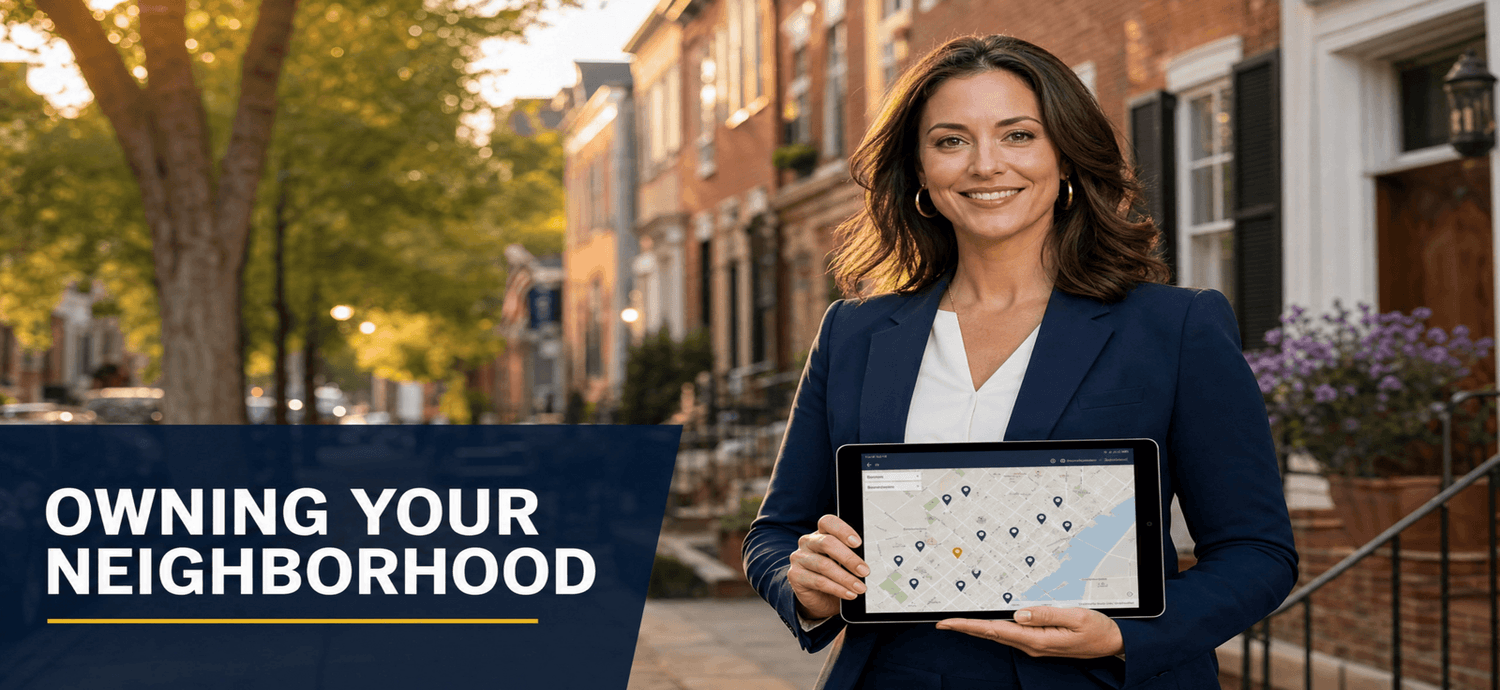
In our previous article, "Beyond the Tech Stack," we broke down the systems and daily habits required to turn raw leads into closed deals. We established that speed-to-lead and persistent follow-up are non-negotiable. However, if you are relying entirely on purchasing internet leads, you are playing a very expensive game. To build a truly sustainable real estate business in 2026, you must transition from chasing strangers to attracting clients who already view you as an authority. This is achieved through strategic personal branding and hyperlocal marketing—the practice of positioning yourself as the undisputed expert in a specific geographic area. As we teach at Philadelphia Real Estate Classes, whether you are a newly licensed agent trying to get your name out there or an experienced professional looking to streamline your operations, your brand is your most valuable asset. Here is how top-producing agents are dominating their local markets this year. The Shift to Hyperlocal Expertise The days of marketing yourself as a generalist who serves a 50-mile radius are over. Today's buyers and sellers are doing more independent research than ever before. They can find basic market data, interest rates, and active listings on any national portal. What they cannot find on Zillow is genuine, localized insight. They want to know the vibe of the community, the truth about the local schools, which coffee shops have the best Wi-Fi, and how long homes on a specific street actually take to sell.

In our previous article, "The 2026 Real Estate Tech Stack," we explored how top-producing Pennsylvania agents are streamlining their software to overcome "app fatigue." We established that the goal isn't to have the most tools, but rather to have a lean, integrated system that serves as the command center for your business. But once you have your CRM, automated marketing, and transaction management in place, a new and critical question arises: What exactly are you doing with the leads those tools generate? As an educator and coach at Philadelphia Real Estate Classes, I frequently see agents invest heavily in lead generation only to watch those potential clients slip through the cracks. They have the right tech stack, but they lack the operational habits to make it profitable. In 2026, generating leads is only half the battle; the real competitive advantage lies in your follow-up system. This guide will transition you from merely collecting leads to consistently converting them, focusing on the critical metrics, daily habits, and database management strategies that separate top producers from the rest of the pack.

Suffering from app fatigue? Discover the 4 essential tools every Pennsylvania real estate agent needs in 2026 to automate, close more deals, and reclaim their time.
In our previous guide, "Beyond the First 90 Days," we discussed the critical transition from surviving your first few months in real estate to building a sustainable, systems-driven business. We covered the importance of finding your niche, building a referral engine, and establishing a powerful personal brand. However, knowing what to do is only half the battle. The other half—and arguably the more difficult part—is finding the time to actually do it. As a real estate educator and business coach in the Philadelphia market, I've watched countless agents with incredible potential burn out not from a lack of leads, but from a lack of time management. The constant barrage of text messages, last-minute showing requests, and administrative emergencies can quickly consume an entire week. If you want to break the cycle of feast-or-famine income, you must learn to fiercely protect your business-building time. This guide will break down the proven time-blocking strategies and daily routines that top-producing Pennsylvania real estate agents are using in 2026 to master their schedules and scale their businesses. The Myth of the Perfect Real Estate Schedule Let’s address the reality of our industry immediately: a rigid, minute-by-minute schedule is a fantasy in real estate. The moment a client has an emergency or a hot new listing hits the MLS in a competitive neighborhood like Fishtown or Graduate Hospital, that perfect plan goes right out the window. The secret to productivity in real estate isn't a stricter calendar; it's a flexible blueprint . It is about creating a daily rhythm that protects your most important, revenue-generating activities while still allowing you the flexibility to handle the inevitable chaos of a transaction. "The problem is that a rigid, minute-by-minute plan is a fantasy in real estate... The secret isn't a stricter calendar; it's a flexible blueprint. It's about creating a daily rhythm that fiercely protects your most important, money-making activities while still allowing you to handle the chaos." - Saleswise The "Golden Hour" Morning Block The most significant change you can make to your daily routine is how you handle the first 60 to 90 minutes of your workday. This is your "Golden Hour." Before the phone starts ringing and your inbox fills with demands from other people, you have a rare window for deep, focused work. This morning block should be reserved exclusively for proactive business growth, not reactive administrative tasks. What to Do During Your Golden Hour Your Golden Hour should be dedicated to activities that will generate future revenue. This is not the time to check email or scroll through social media.

Beyond the First 90 Days: Building a Real Estate Business That Lasts
Congratulations! You’ve passed your Pennsylvania real estate exam, joined a brokerage, and are officially a licensed real estate agent.

Navigate the 2026 PA real estate market with confidence. Our guide covers rate stability, inventory rebound, and strategic timing for ambitious agents.

As the nation turns its eyes to Philadelphia, the city's real estate market is generating its own significant buzz.
Save Time
Save Time
Earn More
Earn More
Grow Faster
Grow Faster