Stay Top-of-Mind by Being Their Ongoing Resource: The Secret to Building a Long-Term Real Estate Career

Mark Cumberland • April 28, 2025

The real business starts after the transaction is over

When you first become a real estate agent, most of your focus is on landing clients, closing deals, and building momentum. But what many new agents don’t realize is this: the real business starts after the transaction is over.


At Philadelphia Real Estate Classes, we don’t just prepare you to pass your exam—we prepare you for long-term success. And one of the most powerful secrets to growing your business over time is simple but often overlooked: stay top-of-mind by being a continual resource for your clients.

Here’s why this strategy works—and how you can start doing it right now.


The Common Mistake: Disappearing After the Deal

A lot of new agents treat a closed deal like the finish line. After helping a client buy or sell a home, they move on to the next lead and let that relationship fade.

Big mistake.
Every past client is a potential future source of:

  • Repeat business (buying a new home, upsizing, investing)
  • Referrals (friends, family, coworkers)
  • Community reputation (word-of-mouth and social proof)

If you aren’t staying in touch, someone else will be the agent they call next time—not you.


The Opportunity: Become Their “Go-To” Real Estate Expert

Imagine being the first person your past clients think of whenever they have a homeownership question—whether it's about refinancing, renovations, selling, or investing.

That’s your goal. You’re not just their former agent; you're their trusted advisor.

How do you stay in that role? Consistent, valuable communication.


5 Easy Ways to Stay Top-of-Mind (Without Being Pushy)

🔹 Send Seasonal Homeowner Tips:
Spring maintenance checklists, winterizing advice, or simple reminders like changing HVAC filters show you care about their homeownership journey—not just your commission.

🔹 Celebrate Their Home Anniversary:
A simple “Happy Home Anniversary!” email, text, or handwritten card reminds them of the milestone—and keeps your name fresh in their mind.

🔹 Share Market Updates:
A quarterly “What's Happening in the Market?” email can position you as the knowledgeable local expert. Keep it short, helpful, and relevant.

🔹 Offer Free Resources:
Guides like a “Spring Home Prep Checklist” (just like the one on our Free Resources page!) can be shared through email, social media, or even printed handouts.

🔹 Connect on Social Media:
Follow your clients on Facebook, LinkedIn, or Instagram. Like their posts, comment when appropriate, and keep yourself visible in a natural, authentic way.


Why It Works: Relationships Over Transactions

Real estate is still—and always will be—a relationship business.
Clients want to work with someone they trust. And trust is built through consistency, helpfulness, and authenticity.

By staying in touch after the sale, you’re investing in a long-term career filled with repeat clients and warm referrals instead of constantly chasing cold leads.


How Philadelphia Real Estate Classes Helps Our Students Succeed

At Philadelphia Real Estate Classes, we know that passing the exam is just the beginning. That’s why we coach our graduates on real-world skills like client communication, personal branding, and relationship marketing.

If you're looking to start (or continue) your career the right way, stay tuned to our blog and check out our Free Resources page—it's packed with tools to help you serve your clients better and grow your business faster.

📢 Visit the Free Resources Page Here ➔


Remember: In real estate, the agents who stay present, provide value, and build relationships don’t just survive—they thrive.


By Mark Cumberland July 29, 2026
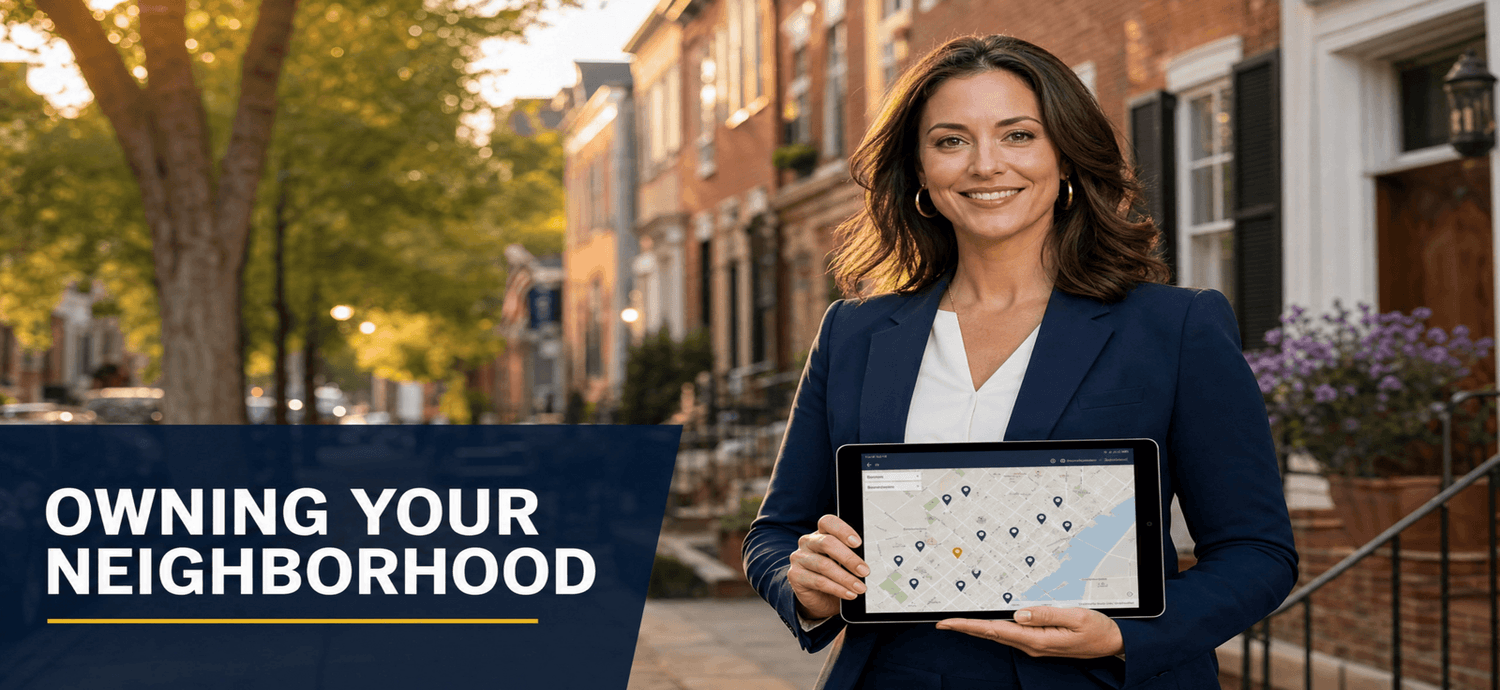
In our previous guide, "Owning Your Neighborhood," we discussed the top-of-funnel strategies required to build a hyperlocal brand. We covered how to use video marketing, community pages, and geographic farming to attract the attention of local homeowners.  However, generating a lead is only the first step. The ultimate test of your real estate business is what happens when a seller finally raises their hand and says, "I'm thinking about selling my house." At Philadelphia Real Estate Classes, I coach agents every week who have spent thousands of dollars generating leads, only to lose the listing at the kitchen table to a competitor. In the 2026 market, sellers are more educated, more cautious, and more demanding than ever before. The traditional, two-hour "dog and pony show" listing presentation is dead . To convert a lead into a signed listing agreement today, you must transition from being a neighborhood marketer to a trusted, professional advisor. Here is the modern framework for winning the listing appointment in 2026.
By Mark Cumberland July 10, 2026
In our previous article, "Beyond the Tech Stack," we broke down the systems and daily habits required to turn raw leads into closed deals. We established that speed-to-lead and persistent follow-up are non-negotiable. However, if you are relying entirely on purchasing internet leads, you are playing a very expensive game. To build a truly sustainable real estate business in 2026, you must transition from chasing strangers to attracting clients who already view you as an authority. This is achieved through strategic personal branding and hyperlocal marketing—the practice of positioning yourself as the undisputed expert in a specific geographic area. As we teach at Philadelphia Real Estate Classes, whether you are a newly licensed agent trying to get your name out there or an experienced professional looking to streamline your operations, your brand is your most valuable asset. Here is how top-producing agents are dominating their local markets this year. The Shift to Hyperlocal Expertise The days of marketing yourself as a generalist who serves a 50-mile radius are over. Today's buyers and sellers are doing more independent research than ever before. They can find basic market data, interest rates, and active listings on any national portal. What they cannot find on Zillow is genuine, localized insight. They want to know the vibe of the community, the truth about the local schools, which coffee shops have the best Wi-Fi, and how long homes on a specific street actually take to sell.
By Mark Cumberland June 16, 2026
In our previous article, "The 2026 Real Estate Tech Stack," we explored how top-producing Pennsylvania agents are streamlining their software to overcome "app fatigue." We established that the goal isn't to have the most tools, but rather to have a lean, integrated system that serves as the command center for your business. But once you have your CRM, automated marketing, and transaction management in place, a new and critical question arises: What exactly are you doing with the leads those tools generate? As an educator and coach at Philadelphia Real Estate Classes, I frequently see agents invest heavily in lead generation only to watch those potential clients slip through the cracks. They have the right tech stack, but they lack the operational habits to make it profitable. In 2026, generating leads is only half the battle; the real competitive advantage lies in your follow-up system. This guide will transition you from merely collecting leads to consistently converting them, focusing on the critical metrics, daily habits, and database management strategies that separate top producers from the rest of the pack.